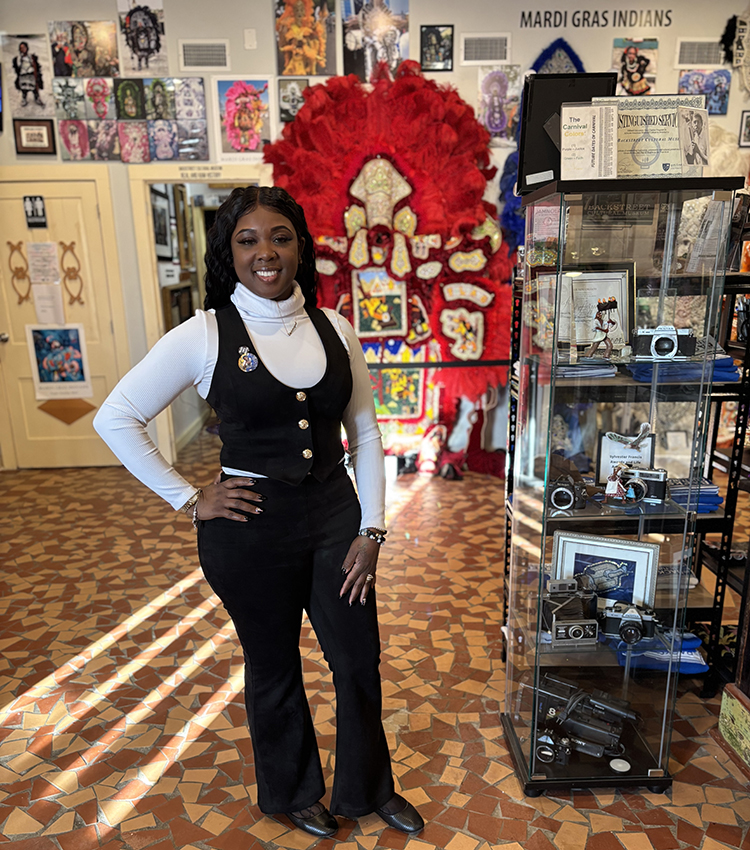
The air-conditioned grandstand gives Festivalgoers a chance to take an intimate look at the vibrant culture and art of Louisiana. Spanning both weekends on the west wing of the first floor, this year’s special exhibits include Centennial Echoes: Miles Davis and John Coltrane, New Orleans Jazz Museum presents Struttin’ With Some Barbeque: The Centennial of Louis Armstrong’s Hot 5s and Hot 7s, Hermann-Grima + Gallier Historic Houses presents Artistry in Iron: Blacksmiths of New Orleans, and Dominique Dilling presents Backstreet Cultural Museum: A Powerhouse of Knowledge.
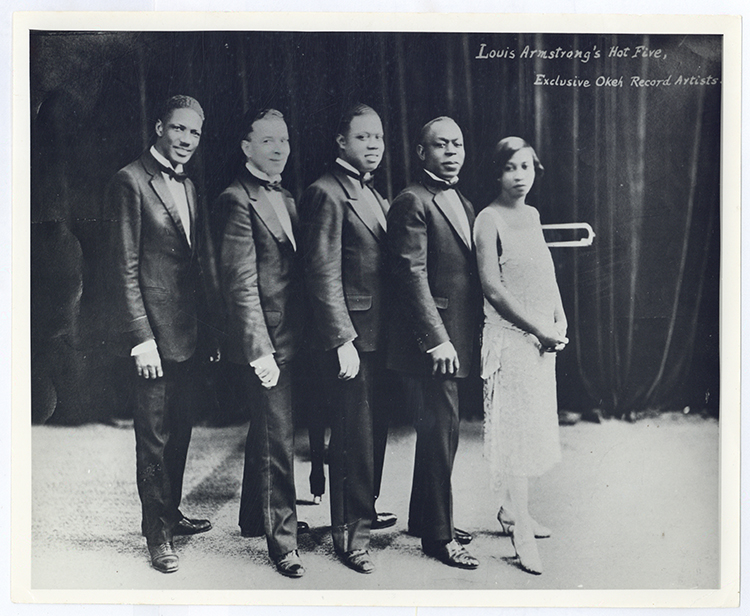
New Orleans Jazz Museum Presents Struttin’ With Some Barbeque: The Centennial of Louis Armstrong’s Hot 5s and Hot 7s
From 1925 to 1928, Louis Armstrong led a studio band alongside his wife, Lil Hardin, and a group of expatriate New Orleans musicians. Together, they recorded 89 sides that literally changed jazz forever. Landmark songs like “West End Blues,” “Cornet Chop Suey,” and “Potato Head Blues” showcased Armstrong’s melodic, rhythmic, and improvisational virtuosity, redefining how the music could be played.
This exhibit will include artifacts featuring Armstrong and his fellow musicians, such as Johnny Dodds, Baby Dodds, and Kid Ory, alongside the recordings themselves. These sessions changed the world; after exploring this collection, visitors will have a better idea of exactly how and why.
Photograph by Duncan P. Schiedt
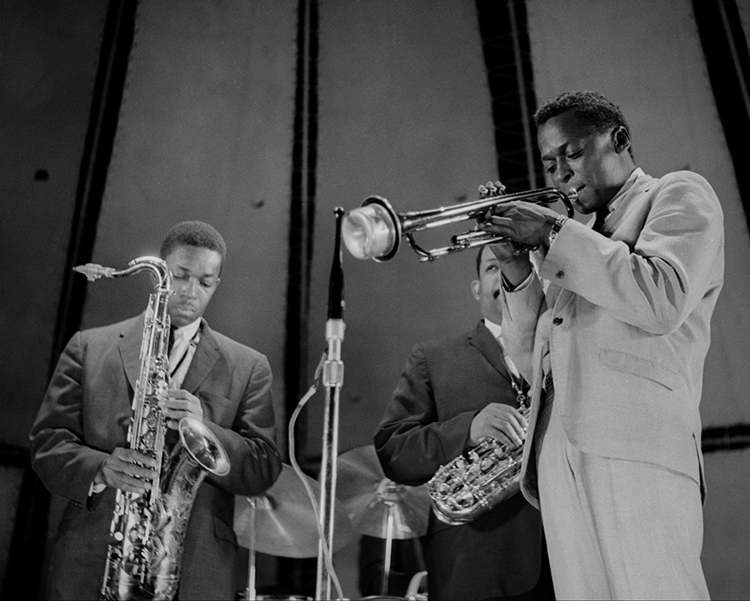
Centennial Echoes: Miles Davis and John Coltrane
Celebrate the 100th anniversary of jazz icons Miles Davis and John Coltrane in this multi-media journey. Showcasing the legendary photography of Chuck Stewart, this exhibit features rare and intimate shots of the masters at work. From the beginning to their profound impact on the birthplace of jazz.
Includes Jazz and Heritage archival photos and oral histories that also bring two pivotal New Orleans moments to focus: John Coltrane’s impactful 1962 residency at Vernon’s and Miles Davis’s electric 1986 return to Jazz Fest. From “sheets of sound” to boundary-breaking fusion, discover how these two visionaries left an echo that vibrates through the city today.
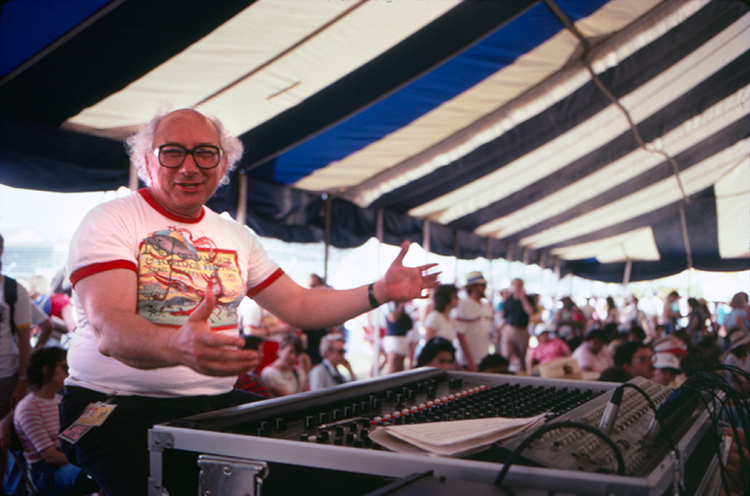
Jazz Fest celebrates the centennial birthday of New Orleans’s legendary R&B music producer, Cosimo Matassa. At 18, Matassa created J&M Studio, the city’s first recording studio. In the era where Jim Crow segregation laws were strict, Matassa put excellence above racist customs of the 1940s. From behind his soundboard, Matassa orchestrated the defining sound of such Jazz Fest greats such as Fats Domino, Professor Longhair, and Little Richard.
Out from the studio and onto the stage, this exhibit highlights Matassa’s influence on the “New Orleans Sound,” and the storied Jazz Fest performers whose careers Matassa helped launch.
Cosimo Matassa - Economy Hall Tent-1983. Syndey Byrd Collection, New Orleans Jazz & Heritage Archive.
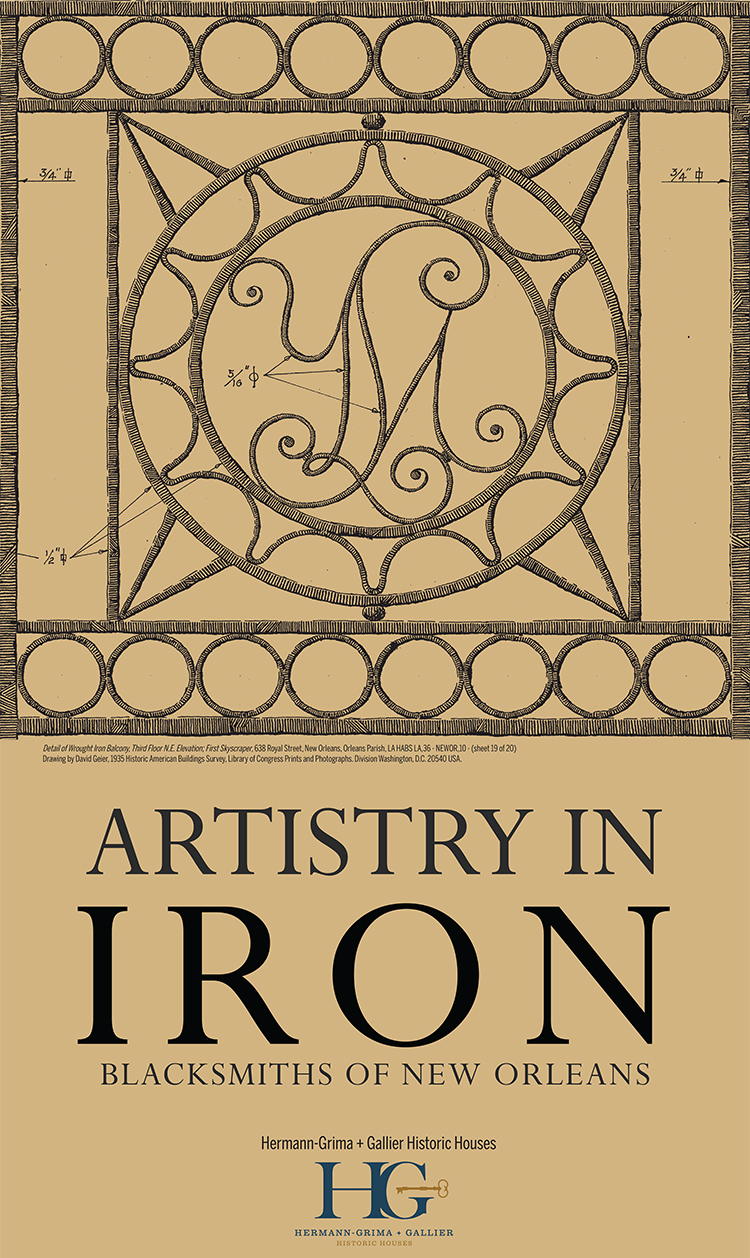
Artistry in Iron: Blacksmiths of New Orleans, organized by the Hermann-Grima + Gallier Historic Houses
This exhibit explores the sources and inspiration behind the city’s wrought iron designs and the world of blacksmiths of color who created them. Their hard-earned skills and interpretation of historical and cross-cultural symbolism represent outstanding artistic contributions to the New Orleans landscape. Whether enslaved or free, born in Africa, Haiti, or Louisiana, blacksmiths of color created symbols of resistance and tributes to their ancestors.
The Backstreet Cultural Museum:
A Powerhouse of Knowledge
For three decades, culture bearer and historian Sylvester Francis held court in the Grandstand at Jazz Fest, sharing his life’s work with Festivalgoers. The founder and director of Backstreet Cultural Museum, Francis would build an exhibit of meticulously curated Jazz Funeral photography and memorabilia, Social Aid and Pleasure Club crafts and cherished second line mementos. Always included were his rare recorded film footage of New Orleans’ funerals, second lines, Baby Dolls, Skull and Bone Gang and Black Masking Indians. Continuing his life’s work, daughter Dominique Dilling Francis upholds his legacy, exhibiting collections of photos and video recordings, as well as second line mementos from the Backstreet Cultural Museum which she continues to run in the heart of Treme.